
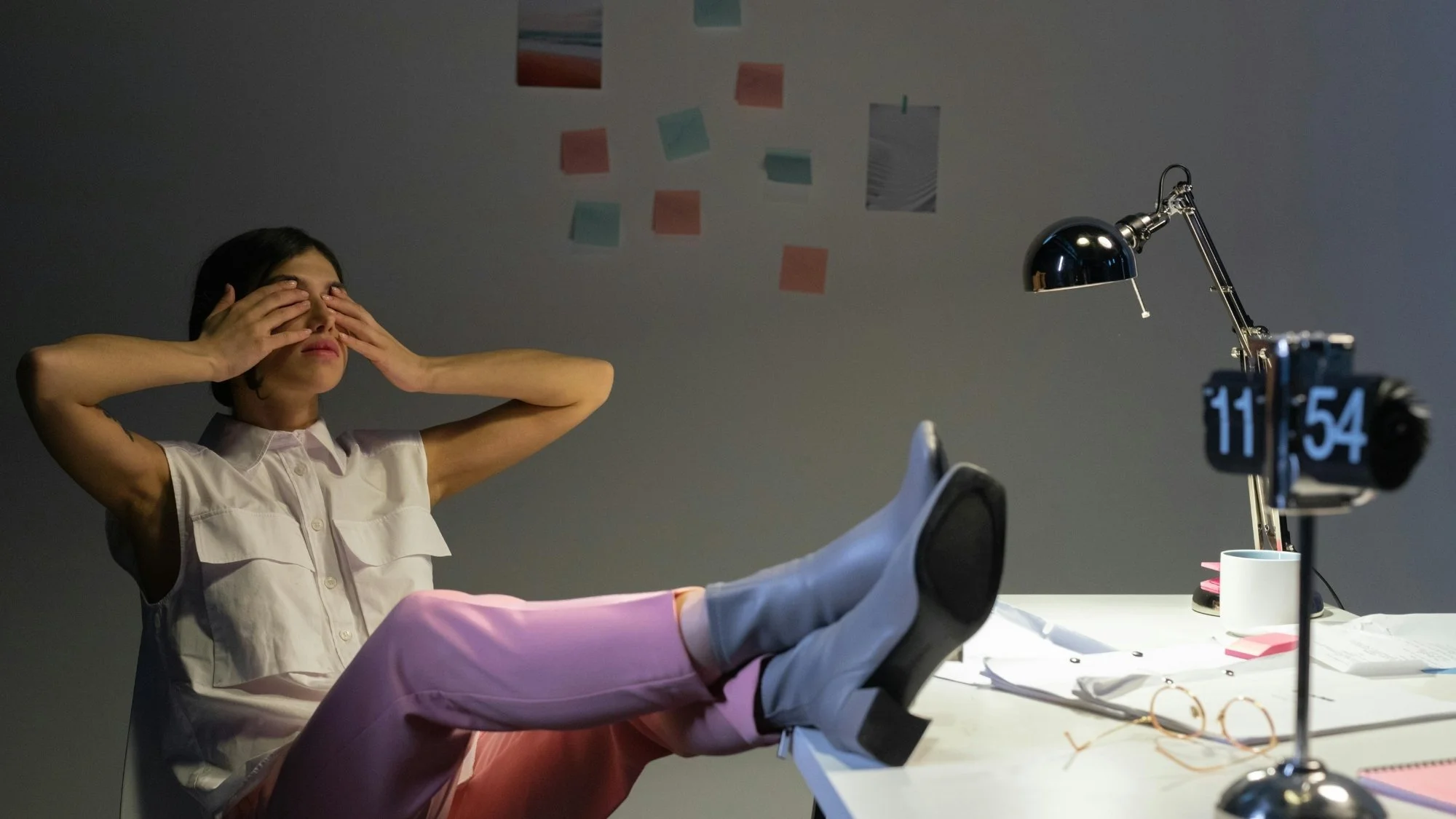
Gallup’s 2025 U.S. workplace data presents a notable contrast: women report higher engagement than men, 34% compared to 28%, and are more likely to express strong motivation for career growth. Yet nearly one in three women reports frequently feeling burned out at work, compared to fewer than one in four men. This gap is most pronounced at senior levels.
McKinsey’s Women in the Workplace report reflects a similar pattern, with a higher share of senior-level women reporting frequent burnout compared to men at the same level. Other research shows comparable differences among managers.
Many of the women driving organizational performance are also experiencing sustained pressure. As responsibilities increase, so can the risk of burnout.
Burnout is shaped by workplace structures, expectations, and broader social dynamics. Research consistently points to several contributing factors:
The Aruba Context
While no comprehensive data on burnout among women in Aruba is currently available, this does not mean the issue does not exist. Aruba is continuing to expand its gender data, with only about 6.7% of key indicators on women’s wellbeing and economic participation currently available. Areas such as labor conditions and unpaid care work remain less visible, and burnout is not typically reflected in standard health statistics.
At the same time, existing data offers helpful context. The Central Bureau of Statistics (CBS) tracks employment trends by gender and shows that pay differences are most visible in higher-paying sectors. In 2024, men in utilities and financial services earned several hundred florins more per month than women in similar roles, while wages were closer in some lower-paid sectors. The data also points to steady gains for women in fields such as information and communication over the past decade.
Workplace pressures such as workload, work–life balance, and working conditions all affect mental wellbeing. In Aruba, these pressures can intersect with strong cultural values around responsibility, family, and community, where setting boundaries is not always straightforward, particularly for women balancing work and caregiving roles.
Taken together, this suggests burnout may be present but not always visible in the data. Continued attention can help organizations better understand employee experiences and support wellbeing in ways that reflect the realities of their workforce.
Women remain highly engaged and committed to their work. At the same time, many are managing sustained and overlapping demands that can affect wellbeing over time. Organizations that pay attention to these patterns are better positioned to support their people and sustain performance over the long term.
At U-SparkPeople Management & Development Consultancy, we support organizations in strengthening their people practices in ways that are both thoughtful and effective. Our work spans employee engagement, HR practice reviews, and leadership development. Because growing your people means growing your business.
Ready to take the next step? Let’s talk.